Since they were initially made to tell time, watches have evolved a lot. People use watches these days as fashion accessories, fitness trackers, or tools to help them get things done. People are increasingly interested in the fight between smartwatches and traditional watches these days. Which one do you want? This article will help you decide which kind is ideal for you by looking at the advantages and downsides of each. This article explains everything in simple English, whether you are a watch lover, a fitness fanatic, or simply someone seeking for the right daily companion.
Understanding the Basics
What is a Traditional Watch?
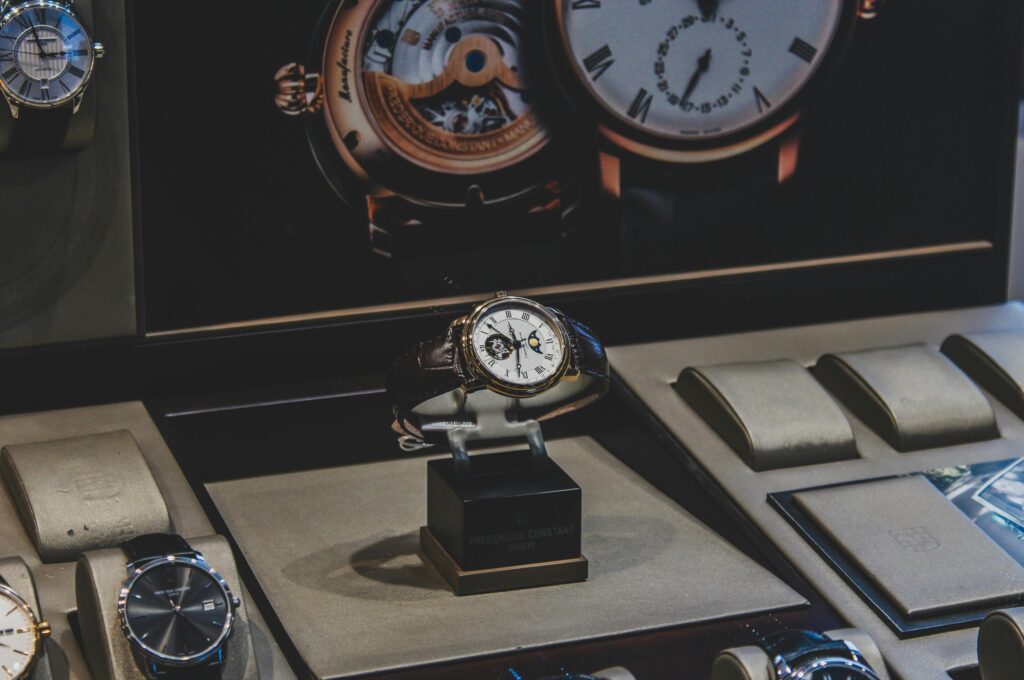
A traditional watch that tells time uses either quartz or a mechanical mechanism. There might be a date display or a chronograph, but the major focus is on design, craftsmanship, and durability. Rolex, Seiko, Citizen, and Omega are among prominent companies that produce timepieces with traditional designs.
What is a smartwatch?
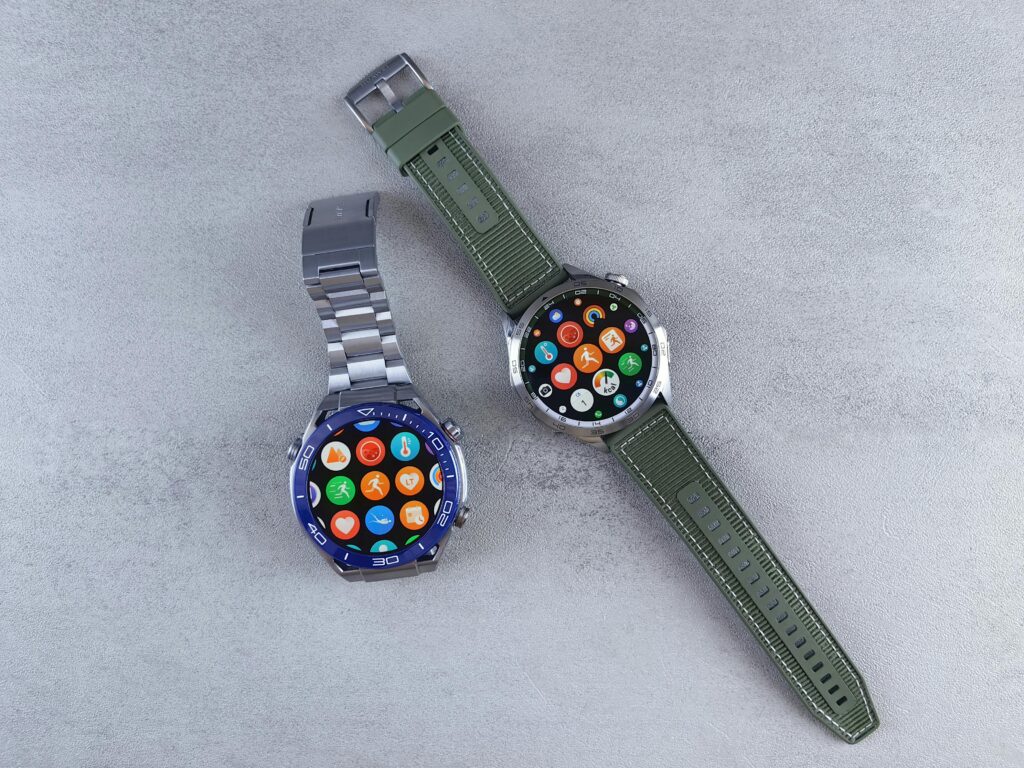
Smartwatches are watches that use smart technology in addition to their usual design. It connects to your phone using WiFi or Bluetooth, and shows alerts, tracks your health, and gives you access to applications. The Apple Watch, Samsung Galaxy Watch, and Garmin are all well known versions.
Why the Comparison Matters
This is not only about technology when you choose between a smartwatch and a regular watch; this is also about your lifestyle. One stands for new ideas and connections, while the other stands for tradition and skill. Knowing what makes them different can help you make a better choice.
The Case for Smartwatches
Health and Fitness Tracking
Health monitoring is one of the main reasons people buy smartwatches. They keep track of your heart rate, steps, sleep, calories, and even the amount of oxygen in your blood. A smartwatch is like a personal trainer on your wrist for folks who work out.
Connectivity and Productivity
You can check messages, answer calls, and manage music on your smartwatch without having to take your phone out. They are great for busy people who need to remain in touch but are unwilling to hold anything.
Customization and Modern Style
Smartwatches enable you modify your style every day since you may change the watch face and the bands. It changes right away, so you can wear it to the gym or to work and look good.
The Case for Traditional Watches
Timeless Design and Craftsmanship
Watches from the past are pieces of art. They show years of skill and design history, whether they are mechanical or quartz. Wearing one is more than simply keeping time; this is also a sign of status and heritage.
Longevity and Reliability
A solid classic watch may survive for decades, unlike smartwatches that need batteries and software upgrades. Mechanical timepieces may be handed down from one generation to the next with just periodic maintenance.
Style That Never Ages
Trendy timepieces are not durable long. A watch made of stainless steel, leather, or gold may look good for a long time. They go well with both formal and informal clothing.
Comparing Smartwatches and Traditional Watches
Functionality
incredibly evident that smartwatches are better at doing things. They keep an eye on your health, provide alerts, and work with applications. But regular timepieces are just about maintaining correct time and looking good.
Battery Life
When it comes to battery life, traditional timepieces are the best. Quartz watches may last for years, while mechanical watches do not even need batteries. Smartwatches, on the other hand, usually need to be charged every one to three days.
Maintenance
Smartwatches need to have their software updated, their batteries changed from time to time, and they need to be protected from scratches. You have to service traditional watches every few years, but they are usually simpler to take care of in the long term.
Price and Value Over Time
Initial Cost
Depending on the model and features, smartwatches may cost anywhere from $100 to $1,000. Watches that are not smart may cost the same amount to start with, but luxurious ones can cost tens of thousands of dollars.
Depreciation
As technology changes, smartwatches lose value rapidly. A smartwatch that is two years old could seem ancient. Watches from popular companies that are mechanical may keep or even rise in value.
Long Term Investment
A wonderful traditional watch may be passed down from generation to generation. Smartwatches, on the other hand, are tech investments that only last a few years before they need to be replaced.
Lifestyle and Personal Preference
For the Fitness Enthusiast
A smartwatch is the best choice if you want to keep track of your health, work out, or run. It helps you keep track of your development create objectives, and gives you information in real time.
For the Professional
A conventional watch goes well with your clothes if you go to meetings, formal occasions, or just like things that are simple. It communicates class and confidence without any distractions.
For the Tech Savvy User
If you appreciate gadgets, alerts, and convenience, smartwatches blend seamlessly into your digital life. They help you get things done faster and more organized.
Durability and Build Quality
Smartwatch Materials
Aluminum, stainless steel, or glass are common materials for smartwatches. They look good, but they may be scratched or have software problems. Waterproofing is ubiquitous but only goes so deep.
Traditional Watch Materials
Stainless steel, titanium, gold, or ceramic are all common materials for traditional timepieces. Sapphire crystal faces do not chip easily, therefore they may be worn for a long time.
Resistance and Lifespan
If you take care of them, traditional watches survive a lot longer. Smartwatches, on the other hand, depend on electronics within them that break down over time.
Fashion and Social Impression
Traditional Elegance
A classic watch may convey that you are clever, mature, and have superb taste. It looks well with dressy attire and is great for business or extravagant events.
Modern Utility
Smartwatches make you seem like you live a modern, active life. They are great for daily wear, the gym, or a vacation, but they can be too techy for formal events.
Versatility
You can alter the face of a smartwatch, but you are unable to do that with a regular watch. They have a timeless charm that cannot be replicated copied digitally. Each one is suitable for a certain kind of person and social setting.
Environmental and Sustainability Factors
Smartwatch Manufacturing Impact
Smartwatches demand intricate circuitry, batteries, and materials that are hard to recycle. Upgrading typically makes electronic waste worse.
Traditional Watch Longevity
Because they last for decades, traditional watches have less of an effect on the environment over time. One mechanical watch may survive for many generations.
Responsible Choices
Many businesses now offer environmentally friendly straps and powered by sunlight motions, which lets customers make greener options in both categories.
Future of Watches
Smartwatch Innovation
Technology keeps getting better. Smartwatches are becoming thinner, faster, and better at keeping track of sophisticated health measures like ECG, stress, and sleep patterns.
Revival of Mechanical Watches
Even though digital watches are popular, classic timepieces are coming back. People who love watches value mechanical engineering and traditional workmanship.
Hybrid Watches: The Best of Both Worlds
Some firms now provide hybrid models that appear like analog watches but include smart functions. These are great for those who prefer the beauty of classic timepieces with the conveniences of contemporary ones.
How to Decide Which Watch Is Right for You
Evaluate Your Needs
Think on what matters most to you: style, durability, or features. Smartwatches are great for those who live busy, connected lives. A classic watch is good for those who like art and things that last.
Consider Your Wardrobe
Traditional timepieces are great if you wear suits, work clothes, or go to formal gatherings. A smartwatch goes well with clothes that are athletic or informal.
Think About Maintenance and Upgrades
Would you rather have a gadget that you have to replace every few years or one that lasts for decades? You need to update your smartwatch often, but your regular watch will never go out of style.
Conclusion
It all depends on your priorities and way of life. Choose a wristwatch if you want to keep track of your health, get alerts, and have digital convenience. But if you want elegance, quality, and lasting dependability, a conventional watch is the best choice. There is no incorrect decision in the end; simply the one that works best for you. Some individuals have both a smartwatch for everyday usage and a regular watch for special events.