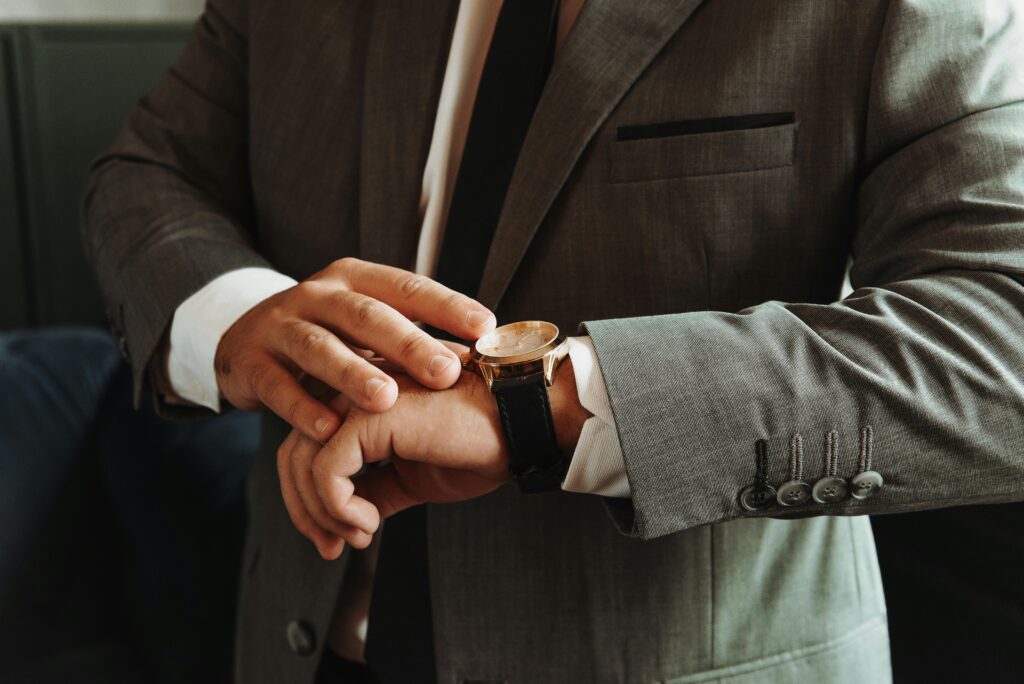
A premium or even mid range watch may be a substantial purchase. Sadly, the worldwide watch industry is full of fake watches that appear nearly exactly like genuine ones. Millions purchase fake timepieces every year without knowing it until it is too late. Knowing how to tell a fake watch from a real one may save you money and trouble, whether you purchase it online, at a local shop, or secondhand.
You do not need to be an expert to utilise this tutorial’s basic, applicable criteria to distinguish between real and fake watches. We will look at everything: weight, materials, engravings, packing, serial numbers, how the vendor acts, pricing traps, and internet fraud.
Start With the Brand Research
Know the Original Design
Before you purchase a watch, check out the brand’s official website or go to a store that sells them. Each real watch has a unique design, brand location, and typeface style. Seeing the differences is simple when you know what the genuine one looks like.
Compare Model Numbers
Every watch from a luxury brand like Rolex, Omega, or TAG Heuer has it is own model and reference number. Counterfeiters typically employ false codes or use them over and over again. Look for the real model online and carefully compare pictures. A little alteration might show that something is fraudulent.
Check Product Details
Real watches always include accurate details about the items, such as their size, weight, and materials. Put these specs next to the watch you are thinking about buying. It is probably a fake if the details do not match.
Examine the Weight and Feel
Heavier Means Quality
Real timepieces are produced from high quality metals and other materials, which makes them heavier than phony ones. Fake versions generally employ less expensive polymers or metals. If the watch seems excessively light, hold it in your hand. That’s a sign.
The Finish Should Be Smooth
Feel the edges of the case and bracelet with your fingertips. There are no rough edges, sharp corners, or uneven polishing on real luxury watches. When you touch fake goods, they frequently feel rough or unfinished.
Test the Bracelet or Strap
Real leather straps smell great and natural, whereas imitation leather straps smell like plastic or chemicals. Real watches have metal bands with tight, even links that move smoothly, not loose or with a rattle.
Inspect the Watch Dial Carefully
Check for Printing Quality
One of the most visible features of a watch is the dial. The printing on real timepieces is immaculate, with clear, sharp letters. Fake watches typically include lettering that is hard to see, spaces that are not even, or logos that are not lined up correctly.
Look at the Hands and Markers
Real watches with hands move smoothly and line up perfectly with the hour marks. Fake timepieces usually move in a jerky or incorrect way. Pay attention to the minor aspects, including how thick and shaped your hands are.
Check for Spelling Errors
It may seem stupid, but many imitation timepieces include spelling issues or wrong brand names. If you see “Rolex” spelt as “Rollex” or “Cartier” spelt as “Cartiar,” it is definitely a fake.
Observe the Movement and Ticking Sound
Smooth Second Hand Movement
Instead of ticking, the second hand of a luxury mechanical watch moves smoothly. Fake watches generally have quartz movements that make a loud “tick tick” sound every second.
Listen Closely
Put the watch close to your ear. Real timepieces, particularly automated ones, make very little noise. A strong ticking sound implies that the watch is a cheap fake.
Watch the Movement Through the Case Back
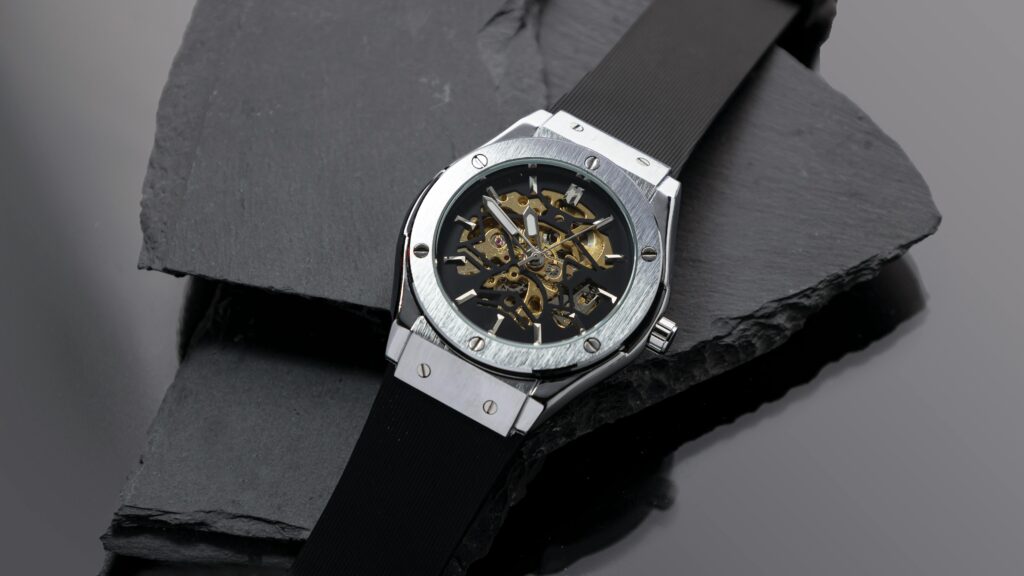
Some expensive watches feature a transparent case back that lets you view the movement. Real motions are beautiful, detailed, and exact. Fake ones seem basic or untidy and have rough edges.
Study the Serial and Model Numbers
Location of the Numbers
Real watches have their serial and model numbers clearly inscribed on key parts, such as between the lugs or on the back. It is probably not genuine if the engraving seems shallow, uneven, or if it was printed instead of etched.
Verify Online
You may verify a lot of serial numbers by contacting customer service or going to the official website of the brand. If the number is incorrect or suggests a different model, it is not real.
Never Trust Stickers Alone
To add credence to a fake, holographic or barcode stickers could be used. These days, however, real companies seldom use them. Numbers, not stickers, should be checked at all times.
Examine the Logo and Engravings
Logo Placement
All advanced brands have specific rules on where to put their logos. Look at the official pictures. Fake logos, wrong font thickness, or too big symbols are all symptoms of a fake.
Engraving Depth
Real engravings are deep, clean, and even. Fake ones are typically produced with lasers or scratched very lightly. To examine the depth, use a magnifying glass or the zoom on your phone camera.
Case Back Markings
Most fake watches feature text or marks on the rear that do not make sense. Real companies usually engrave just a few exact facts, such as the model number, brand name, and how water resistant the watch is.
Check the Packaging and Documents
Authentic Boxes
Advanced watch companies utilise packaging that is robust and looks nice. Fake packaging is generally lighter, has bad printing, or is the wrong size.
Warranty Cards and Certificates
Official warranty cards, brochures, and certificates with embossed or holographic seals are included with real timepieces. One big clue of a fake is misspelled words or bad writing on papers.
Serial Matching
Make sure that the warranty card’s serial number matches the watch’s. It is not real if they do not match.
Consider the Price and Seller Reputation
Too Cheap to Be Real
If the price appears too good to be true, it usually is. Seeing a new Rolex or Omega at half the typical cost is strange. Real timepieces do not usually sell for much less than their original price.
Check the seller’s credentials.
You should only purchase from authorised dealers, brand boutiques, or internet merchants that have been checked out. Before you buy, look at reviews, see whether they have a social media presence, and read their return policy.
Avoid Unknown Websites
Many people who sell fake timepieces have websites that seem like they are real. Always check whether the vendor is on the brand’s list of official merchants.
Spotting Fake Watches Online
Examine Photos Closely
Find high resolution pictures from a lot of different viewpoints. It is a bad omen if the vendor shows you grainy or few pictures.
Ask for a Video
Ask for a brief video of the watch in your hand that shows the serial number and how it works. Scammers routinely utilise pictures of genuine timepieces that they stole.
Beware of Fake Reviews
Some fake watch dealers fill their sites with good but generic reviews. Instead, look for extensive reviews from genuine consumers.
Use Technology to Help You Verify
Serial Number Databases
You may use a variety of internet databases to check the serial numbers of famous brands like Rolex, Breitling, and Omega. Before you purchase, use these tools.
Authentication Apps
WatchCheck, WatchBox, and Chrono24 are some apps that may help you authenticate. Get feedback from professionals or community reviewers by uploading clear photographs.
Professional Authentication
Before you buy that expensive watch, get it evaluated by a professional watchmaker or assessor. They may even open the trunk to see whether the motion is genuine.
Know the Common Fake Watch Tricks
Frankenwatches
Some people who make fake watches blend actual parts from broken timepieces with phony parts.The common name for them is “Frankenwatches.” Verify the functionality of the internal movement and serial numbers at all times.
Replica vs. Counterfeit
People sell fake watches as “inspired” replicas, but they try to pass them off as authentic. It is against the law to sell either as an original, although reproductions are simpler to identify.
Refurbished Fakes
Some false items are polished again and marketed as “pre owned.” Always ask for the original purchase receipts and servicing records.
Learn From Experts and Communities
Online Watch Forums
There are specialists in communities like Watchuseek and Reddit’s Watches who can help you tell the difference between real and fake watches. Before you purchase, post pictures to get second viewpoints.
Visit Authorized Retailers
Visit an official retailer and look at an actual model in person. Seeing and experiencing a real timepiece lets you understand what true artistry is.
Follow Trusted Reviewers
Many people who review watches on Instagram and YouTube are experts at recognising fakes. Watch their films to see how their products are different before you buy.
Protect Yourself After Buying
Get the Watch Serviced
After you buy a watch, get it checked out by a recognised repair shop. They will formally document your ownership after they verify it is legitimacy.
Insure Your Watch
Valuable timepieces may fetch a pretty penny. Things may be covered by insurance in the event of loss, theft, or accidental damage. Another technique to verify them is that you can only promise real timepieces.
Keep All Documents Safe
Keep the service paperwork, warranty card, and receipt. If you ever sell the watch again, it will help prove it is real.
How Fake Watches Impact the Market
Economic Losses
Every year, counterfeit watches cost genuine businesses and merchants billions of dollars. Investing in legitimate sellers helps maintain trust and quality in the industry.
Conclusion
Paying close attention to detail and doing some study will help you spot a fake watch. Expert training is not necessary. Make sure to frequently check the movement, weight, design, and serial number. numbers, and packaging, and buy only from trusted sellers. Remember, if a deal seems too good to be true, it probably is.